Key Tips for Selecting a Trustworthy Auto Repair Shop
Selecting a trustworthy vehicle repair facility is essential for vehicle maintenance and safety. Several key factors play a role in this choice, from mechanic qualifications to customer testimonials. Understanding warranty terms can prevent future complications. Open communication with repair professionals also plays a significant role in guaranteeing reliable repairs. All of these elements impact the final outcome. What should one prioritize when making this important choice? The guidance below will illuminate your journey to finding a dependable auto repair center.
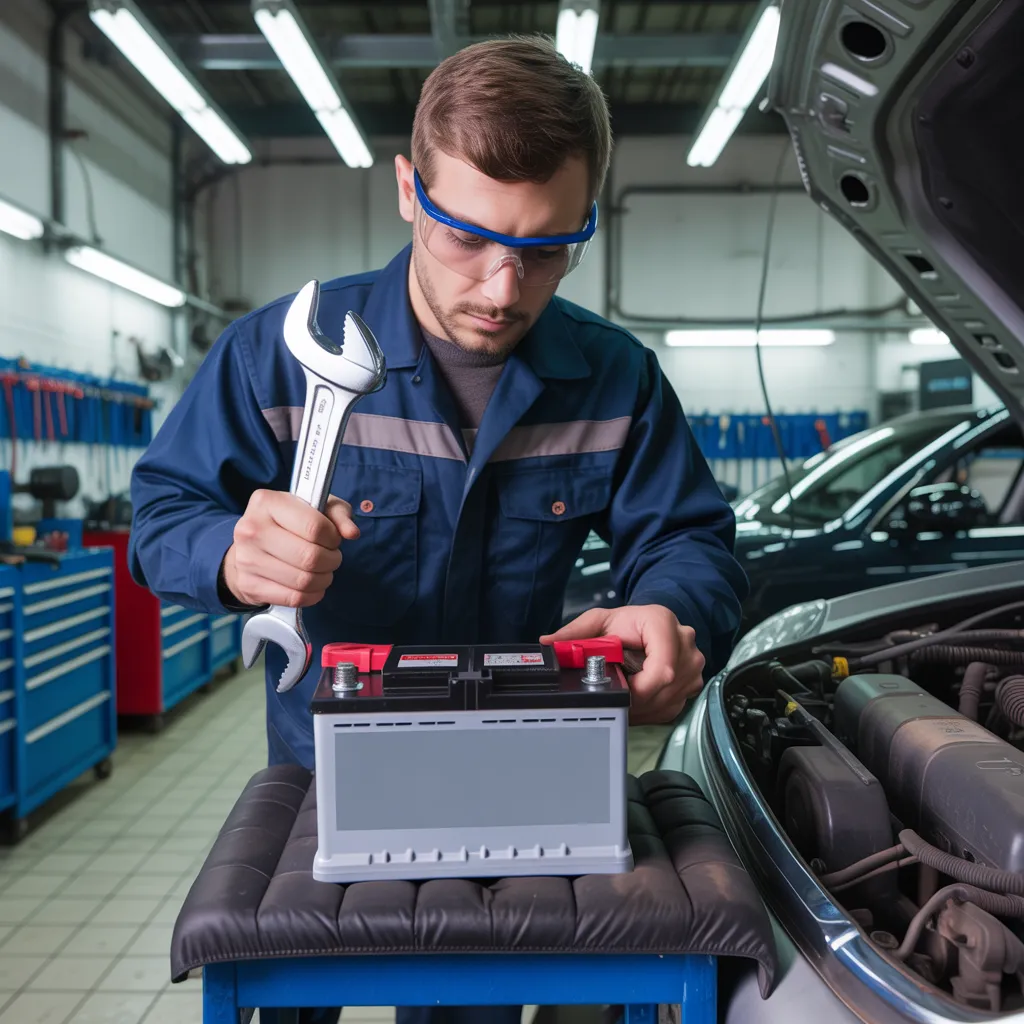
The Importance of Choosing the Right Auto Repair Shop
Selecting the correct auto repair shop is crucial, as it can considerably impact both vehicle performance and owner peace of mind. A trustworthy shop assures that repairs are performed correctly, enhancing the longevity and efficiency of the vehicle. Owners who select a reliable establishment often experience fewer breakdowns and decreased repair costs over time, as quality work minimizes the need for repeat visits.
In addition, a reliable auto repair shop builds a sense of assurance among vehicle owners. They are more likely to feel secure in their choice, knowing that seasoned technicians are managing their cars. This certainty can lead to improved maintenance practices, ultimately resulting in improved vehicle safety. Also, establishing a relationship with a reputable shop can streamline the repair process, providing easy access to expert advice and prompt service. In sum, making an educated choice in auto repair can substantially affect both the car's functionality and the car owner's total contentment.
Check for Certifications and Qualifications
When searching for an auto repair shop, it is crucial to examine the qualifications and certifications of the technicians. Qualified technicians typically possess advanced training and have showcased their competence through assessments. Widely recognized certifications include those from the National Institute for Automotive Service Excellence (ASE), which indicates a strong foundation of knowledge and abilities. Additionally, memberships in recognized organizations, such as the Automotive Service Association (ASA), can further validate a shop's adherence to professional standards.
A highly skilled technician is more likely to diagnose issues accurately and perform necessary repairs efficiently, which ultimately results in enhanced service outcomes and increased customer satisfaction. Confirming manufacturer-specific certifications can also confirm that technicians are trained on cutting-edge techniques and updated repair procedures for particular automobile manufacturers. By emphasizing certifications and technical expertise, car owners can increase their likelihood of securing trustworthy and efficient automotive repair services.
Explore Customer Reviews for Your Auto Repair Shop
In what ways do customer reviews impact the selection of an auto repair shop? Customer reviews act as helpful indicators of past clients' experiences, providing a glimpse into the quality of service offered. Prospective customers can assess aspects such as reliability, professionalism, and pricing through these testimonials. Favorable reviews frequently suggest a reputable business, whereas critical feedback may reveal possible concerns.
In addition, assessments can highlight service-related patterns, such as consistent wait times or the effectiveness of repairs. Online platforms and social media amplify these voices, allowing for a broader range of perspectives to be gathered. When considering an automotive service center, people should take into account the total rating in addition to detailed additional info feedback relating to service performance and customer experience. Such details can direct them to a facility that satisfies their requirements and standards, thereby guaranteeing a more fulfilling vehicle repair experience.
Comprehending Warranty and Guarantee Policies
Comprehending warranty and guarantee policies is crucial when selecting an auto repair shop. These policies outline what repairs are included and the terms under which they apply. Knowing the details can help customers make educated choices and ensure peace of mind regarding their vehicle repairs.
Warranty Coverage Details
Overseeing warranty coverage information can greatly impact the overall satisfaction with an auto repair shop. A thorough understanding of what is included under warranty can prevent misunderstandings and frustrations. Auto repair shops commonly offer warranties on labor and parts, but the specifics can vary markedly. Customers should ask about the warranty period, the types of repairs or parts included, and any exclusions that may apply. Moreover, it is critical to determine whether the warranty is valid nationwide or restricted to that particular shop. Diligently reviewing these details before agreeing to services ensures that customers are safeguarded against likely defects or concerns. This informed approach fosters trust and enhances the general repair experience.
Warranty Terms Clarified
What do customers need to understand about guarantee terms when choosing an auto repair shop? It is essential to understand the difference between warranties and guarantees. A warranty typically covers specific repairs or parts for a designated period, guaranteeing that should problems occur, the shop will resolve them without additional charges. On the other hand, a guarantee typically demonstrates the shop's dedication to quality service, assuring customer satisfaction or a refund if the service falls short of established standards. Customers are encouraged to ask about the length, specific coverage, and limitations associated with these policies. Furthermore, they should carefully review the fine print to prevent any confusion. By gaining clarity on these terms, customers can make educated decisions and opt for a repair shop that takes pride in its work.
How to Communicate Effectively With Your Mechanic
How can one guarantee that interactions with a mechanic is both clear and effective? First, it is essential to provide a detailed description of the vehicle's symptoms. In place of general or imprecise remarks, it is important to highlight specific concerns, such as unusual noises or warning lights. Doing so enables the mechanic to identify the issue with greater precision.
Moreover, asking questions is important. Asking about the repair process, required parts, and anticipated timelines promotes a better understanding. Active listening is also critically important; one ought to carefully follow the mechanic's explanations and seek clarification whenever something is confusing.
Moreover, it's beneficial to create a bond with the mechanic. Building trust can produce superior service and greater personalized attention for the car. To conclude, preserving written documentation of prior repairs and maintenance can boost communication by providing context for current issues. Proper communication consistently produces a more fulfilling automotive experience.
Compare Quotes and Pricing
A comprehensive evaluation of rates and quotes can uncover significant discrepancies between auto repair shops. When seeking auto repairs, consumers should obtain proposals from several shops to determine the prevailing price for needed repairs. This practice not only offers clarity on potential costs but also reveals differing standards of care.
It is crucial to examine what each estimate encompasses. Certain shops may provide lower quotes but compromise on parts quality or labor guarantees, while some may charge a premium for better service and higher-quality parts. Moreover, being aware of how costs are broken down—labor, parts, and any potential hidden fees—can help consumers make an informed choice.
Besides the price, reputation along with customer service deserves careful consideration. A slightly more expensive shop may provide greater reliability and a more dependable experience. Ultimately, balancing cost with quality and service reputation guarantees a more satisfactory outcome for auto repairs.
Commonly Asked Questions
How Do I Know if a Shop Can Be Trusted?
A trustworthy shop often presents accreditations, provides straightforward costs, and has favorable customer testimonials. Furthermore, a inviting atmosphere with skilled staff can reflect trustworthiness, while clear correspondence and service assurances further strengthen trustworthiness in their work.
What Can I Do if I'm Not Satisfied With Repairs?
Should repairs prove unsatisfactory, the individual should begin by raising their concerns with the repair shop. If the issue remains unresolved, obtaining a second opinion or reaching out to consumer protection agencies may be needed to handle the situation properly.
Are There Certain Red Flags You Should Be Aware Of?
Red flags to watch for include missing credentials, imprecise cost estimates, incomplete repairs, negative client feedback, unprofessional conduct, and unwillingness to offer thorough explanations. These factors commonly suggest concerns regarding the repair facility's dependability.
How Often Should My Vehicle Be Serviced?
Cars should typically be serviced every 5,000 to 7,500 miles or every six months, depending on which occurs sooner. Regular maintenance ensures optimal performance, vehicle safety, and extended vehicle life, preventing costly repairs and enhancing your day-to-day driving experience.
Am I Able to Request Old Parts Following Repairs?
Indeed, vehicle owners can ask to view replaced components after repairs. Most established auto repair facilities honor these requests, as openness fosters confidence. Understanding the condition of replaced components can provide reassurance about the level of service delivered.